October is a useful time to pay attention because the roof has already spent an entire summer dealing with heat, sunlight, storms and temperature swings. Now it is heading into the part of the year when moisture, freezing temperatures, snow and ice can put additional stress on a roofing system.
A fall inspection is not about assuming the roof needs to be replaced. It is about finding out what condition it is actually in before winter makes a small problem harder and more expensive to deal with.
What Summer May Have Done to Your Roof
Strong sunlight can age roofing materials.
Heavy rain tests flashing and drainage.
Wind can loosen shingles or damage exposed components.
Storm debris can leave behind small punctures or other damage that is easy to overlook from the ground.
By October, those problems may not look dramatic, and that is precisely the part of what makes them easy to ignore.
The National Roofing Contractors Association recommends periodic roof inspections as part of preventative maintenance and suggests inspections in both spring and fall. It also recommends additional inspections following severe weather events.
For an Ontario homeowner, the fall inspection has a practical purpose: find problems while the roof is still accessible and before winter weather adds another layer of difficulty.
Start With What You Can See From the Ground
We would like to start by highlighting that homeowners should not walk on a roof unless they have the appropriate experience and equipment.
The NRCA specifically advises homeowners and inexperienced property managers against accessing or walking on roofs without the proper training and equipment.
Instead, step back and look at the roof from several points around the property.
Pay attention to shingles that appear:
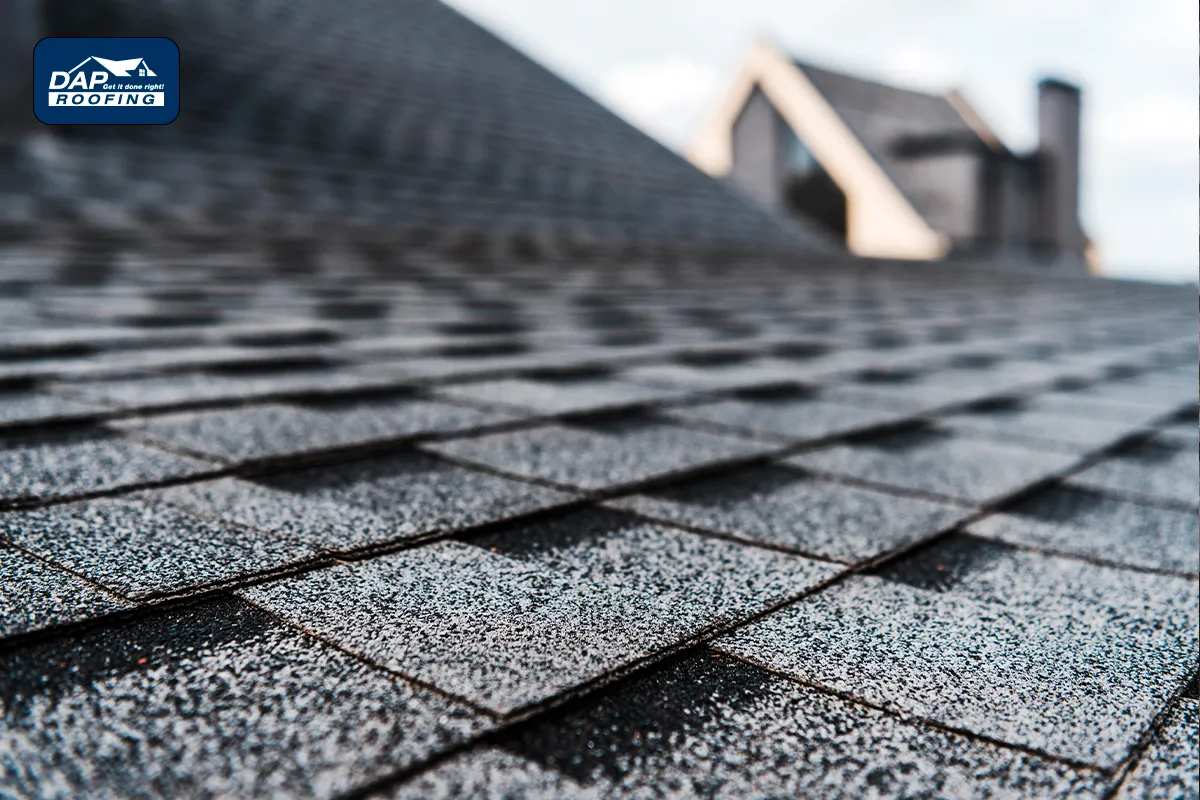
- Missing or visibly displaced
- Curled or lifted along the edges
- Cracked, split or damaged
- Noticeably different from the surrounding shingles
- Covered with excessive granule loss
You can also look around the ground for pieces of roofing material that may have fallen from the roof.
One damaged shingle does not necessarily mean the entire roof has failed. It does mean the roof deserves attention. The bigger concern is a pattern.
If several areas show deterioration, the issue may extend beyond one easily repaired spot.
Flashing Deserves a Closer Look
Some of the most important parts of a roofing system are not the parts homeowners notice first.
Flashing is installed around areas where the roof meets another structure or where something passes through the roof. Chimneys, skylights, walls, valleys and plumbing penetrations all create potential pathways for water if those areas are not properly sealed and maintained.
Look for visibly damaged, displaced or deteriorated flashing from a safe location.
Also pay attention to places where the roof changes direction or meets another surface. Those transitions deserve particular attention because water naturally concentrates around them.
A roof can look perfectly healthy across most of its surface while still developing a leak around one vulnerable penetration. That is why a professional inspection goes beyond simply counting damaged shingles.
Your Gutters Can Tell You Something About the Roof
October is also a good time to look at your drainage system.
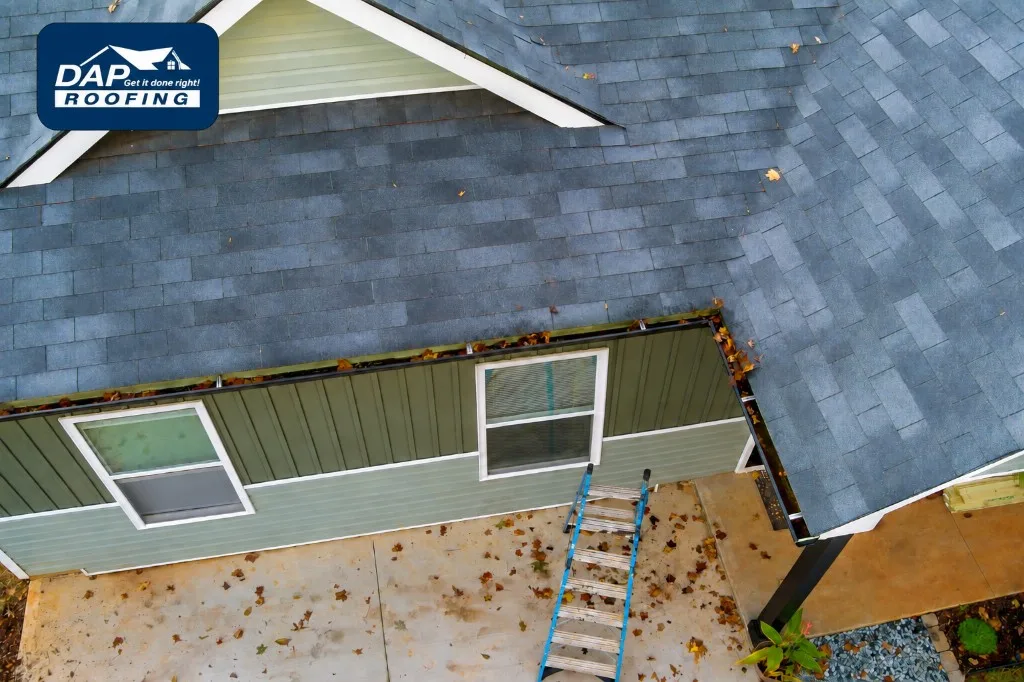
Leaves and other debris can collect in gutters and valleys. When drainage becomes restricted, water does not necessarily disappear. It can back up, overflow or remain where it should be moving away from the house.
The NRCA specifically recommends checking areas such as valleys, gutters and roof drains during preventative maintenance inspections because accumulated debris can interfere with proper drainage.
There is another clue worth noticing:
If you regularly see an unusual amount of shingle granules collecting in your gutters, it may indicate that the shingles are aging or deteriorating. Some granule loss is normal, especially on newer roofs, so context matters. A professional can determine whether what you are seeing is ordinary wear or something more significant.
Look Inside the Attic
The attic can reveal problems that are difficult to spot from outside.
Look for signs of:
- Moisture
- Staining
- Damp insulation
- Mould growth
- Daylight entering where it should not
These clues can point to roof leaks, ventilation issues or other building-envelope problems.
Ventilation matters because the attic is part of the overall roofing system. Poor airflow can contribute to moisture buildup, while excessive heat and moisture can affect roofing materials and the structure beneath them.
Our August article on roof ventilation goes deeper into this issue, but the important point for October is simple: A roof can look acceptable from the driveway and still have a problem above the ceiling.
Small Roof Problems Become Different Problems in Winter
Imagine a small opening around flashing in October:
Rain enters.
The water reaches a vulnerable area beneath the visible roofing material.
Temperatures fall.
Water freezes and expands.
It melts again during a warmer period, then freezes again.
The original defect has not necessarily become dramatically larger overnight. Instead, the roof is repeatedly being exposed to conditions that can make an existing weakness more consequential.
That is one reason fall maintenance matters.
The goal is not to predict exactly what winter will do to a particular roof. The goal is to avoid entering winter with known problems that could have been addressed beforehand.
Ontario's climate includes substantial seasonal temperature variation, and Environment and Climate Change Canada's climate-normal data illustrates how quickly conditions can transition into the cold season across the province.
The Roof Problems Homeowners Often Miss
A good October check is not simply about finding something that looks broken, since some issues are subtle.
A professional inspection may identify deterioration around flashing, drainage problems, damaged roofing components, areas of previous repair, ventilation concerns or other conditions that are difficult to assess safely from the ground.
This is where an inspection becomes more valuable than a quick visual glance.
A homeowner might see one missing shingle. A roofer is looking at the system around that shingle.
Is the surrounding material deteriorating?
Is there evidence of previous leakage?
Is the underlayment intact? Is water draining correctly?
Are penetrations properly sealed?
Is the roof nearing the end of its useful service life?
Those questions change the conversation from “Does this look okay?” to “What condition is this roof actually in?”
When an Inspection Turns Into a Repair
A damaged shingle can be replaced. A localized flashing issue can be addressed. Debris can be removed and drainage restored. However, other problems may require more extensive work.
The important part is knowing which situation you are dealing with.
A preventative maintenance inspection is intended to identify deterioration and necessary repairs before those problems become more serious.
If the roof is otherwise in good condition, addressing a localized problem can make far more sense than replacing an entire roofing system.
If the roof has widespread deterioration, recurring leaks or significant age-related wear, an inspection may instead provide the information needed to plan for replacement.
The Cost of Waiting Is Not Always Obvious
The most expensive roofing problem is not necessarily the one with the biggest visible defect. It can be the small problem that goes unnoticed until water reaches the interior of the home.
By the time a homeowner sees a stain on the ceiling, the water has already made it through multiple layers of the building.
That does not mean every small roofing issue will turn into major interior damage. It means that postponing a known problem removes some of your control over what happens next.
An October inspection gives homeowners more options.
You may discover that the roof only needs a minor repair. You may learn that maintenance will help extend its useful life. Or you may find that replacement should be planned before the roof becomes an emergency.
Give Your Roof a Look Before Winter Does
Look from the ground. Check your gutters and drainage. Look for visible shingle damage. Pay attention to flashing and roof penetrations. If you notice something unusual, do not assume it will disappear when the weather changes.
And if you cannot confidently determine what you are seeing, that is exactly where a professional roof inspection can help.
A roof does not have to be leaking today to deserve an inspection. Sometimes the best time to find a roofing problem is while the ceiling is still completely dry.
Frequently Asked Questions
How often should I have my roof inspected in Ontario?
A preventative inspection in the spring and fall is a useful maintenance schedule, with an additional inspection after significant weather events. The NRCA recommends periodic inspections at least twice a year as part of a preventative maintenance program.
What should I look for during a fall roof inspection?
From the ground, look for missing, curled, cracked or displaced shingles, damaged flashing, excessive debris, unusual granule accumulation and drainage problems. Inside the attic, look for moisture staining, damp insulation or other signs of water intrusion.
Should I climb onto my roof to inspect it myself?
No, not unless you have the appropriate experience, equipment and safety training. A ground-level visual inspection can identify obvious warning signs without putting you at unnecessary risk. The NRCA advises homeowners without appropriate experience and equipment not to walk on roofs.
Is October too late to repair a roof in Ontario?
Not necessarily. The timing depends on the weather, the type and extent of the repair, the roofing material and the contractor's schedule. Identifying a problem in October gives you considerably more information than discovering the same problem after winter weather has arrived.
Does a roof inspection mean I need a new roof?
No. An inspection determines the condition of the roofing system. Depending on what is found, the appropriate recommendation may be maintenance, a localized repair, more extensive repair or eventual replacement.
What DAP Roofing Looks for in Ontario Homes
DAP Roofing has been serving homeowners since 2002, with more than 3,000 roofing projects completed.
Our work across Norfolk County and surrounding communities gives us experience with the conditions local roofs face, from wind and heavy rain to winter freezing and seasonal temperature changes.
A roof inspection is not about creating a reason to sell someone a new roof, but understanding what is there.
For some homeowners, that means identifying a repair. For others, it means confirming that the roof is ready for another season. And when replacement is appropriate, an early inspection gives the homeowner time to make a decision rather than waiting for a leak to make it for them.